Korean Bibimbap
Highlighted under: Authentic World Food Recipes
Experience the vibrant flavors of Korea with this delicious Bibimbap, a colorful rice dish topped with various sautéed vegetables, meat, and a fried egg.
Korean Bibimbap is not just a meal; it's an experience. This traditional dish is known for its beautiful presentation and a harmonious blend of flavors. The combination of fresh vegetables, seasoned meat, and a gochujang sauce creates a delightful taste that will transport you to Korea.
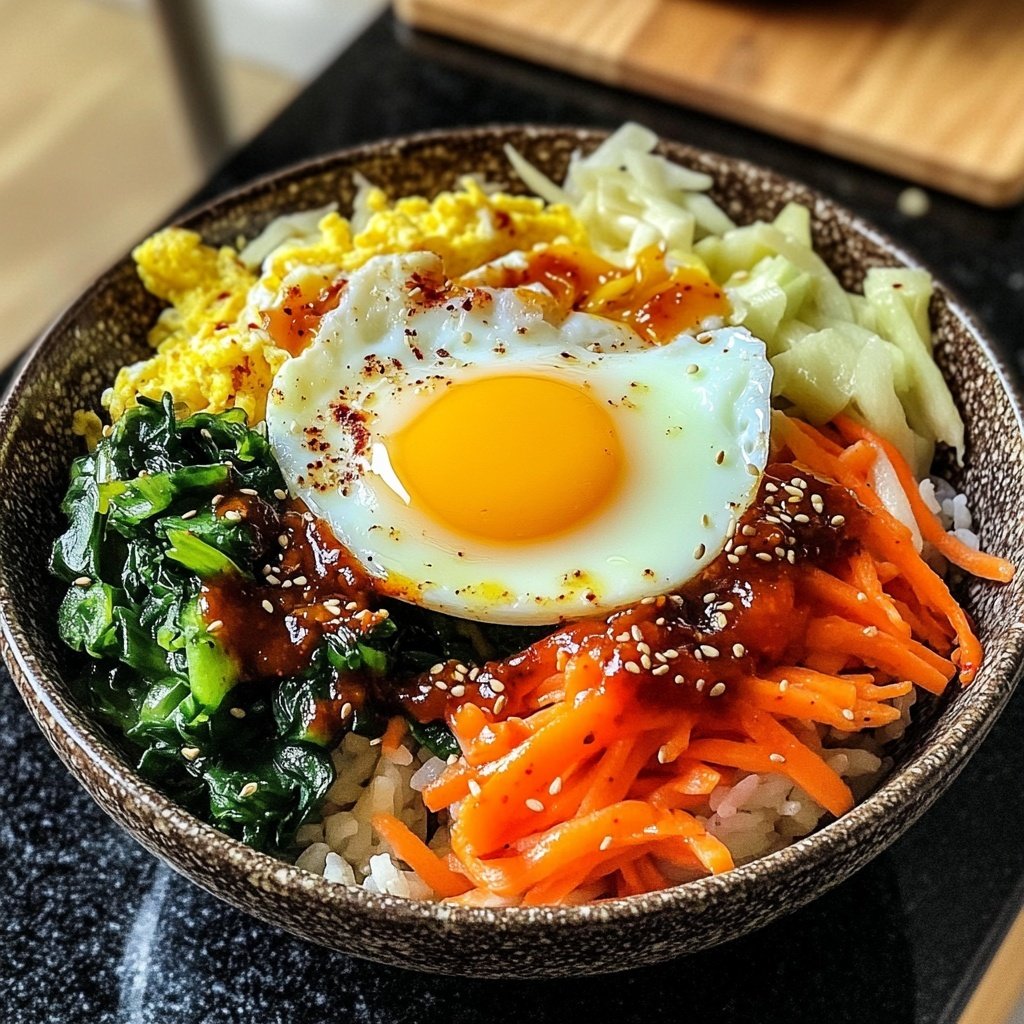
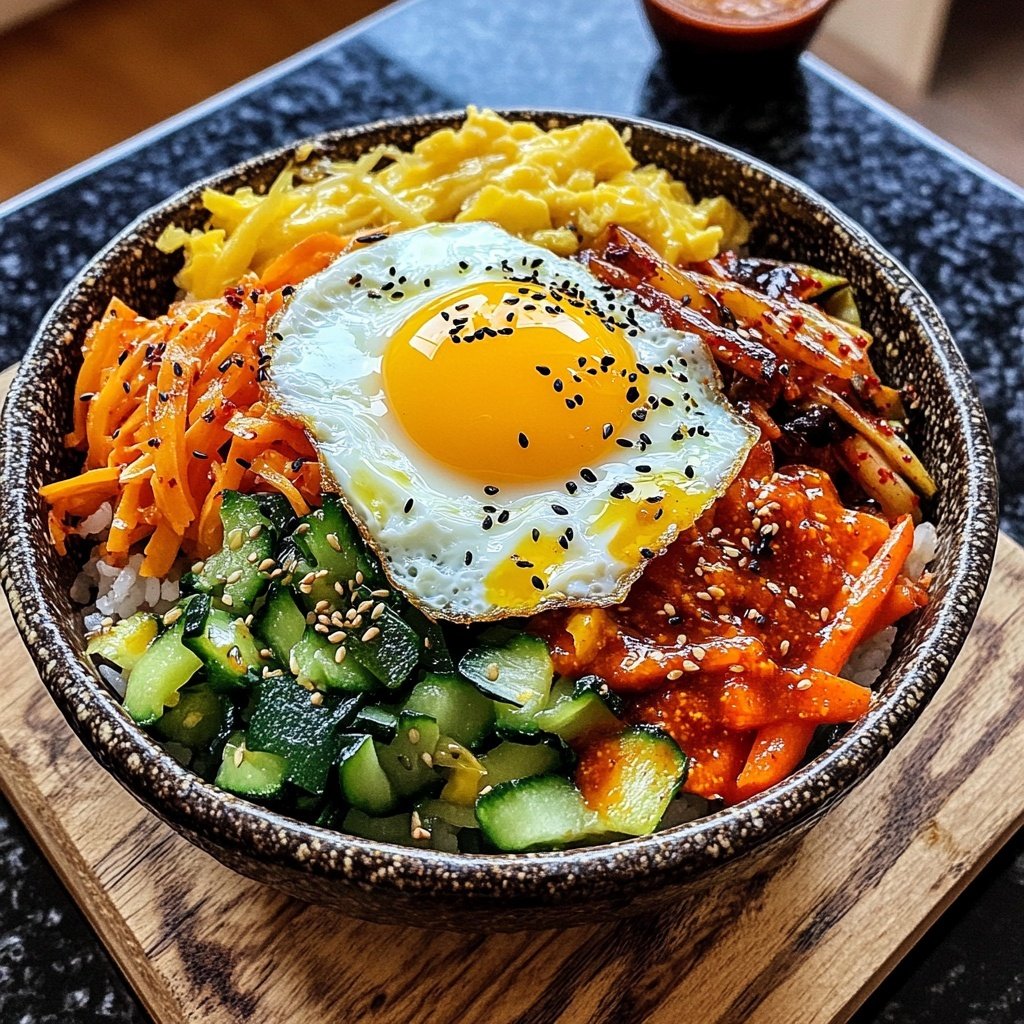
Why You Will Love This Recipe
- A colorful and nutritious meal in one bowl
- Customizable with your favorite proteins and veggies
- Deliciously spicy with gochujang sauce
The Essence of Bibimbap
Bibimbap, which translates to 'mixed rice,' is a traditional Korean dish that showcases the beauty of Korean cuisine. Each ingredient plays a crucial role, not only in flavor but also in providing a vibrant visual appeal. This dish is a perfect representation of balance, as it combines various tastes and textures, from the crunch of fresh vegetables to the savory depth of the beef. Eating bibimbap is an experience in itself, where each bite can vary based on the combinations you choose.
Historically, bibimbap served as a way to use up leftover ingredients, making it both practical and economical. Over time, it has evolved into a beloved dish enjoyed in restaurants and homes across Korea and beyond. The art of bibimbap lies in its presentation and the way flavors meld together when mixed, making it a delightful meal for both the eyes and the palate.
A Customizable Delight
One of the best features of bibimbap is its incredible versatility. You can easily customize this dish to accommodate your dietary preferences or what you have on hand. Whether you're a meat lover, vegetarian, or vegan, bibimbap can be tailored just for you. Swap the ground beef for tofu, tempeh, or even mushrooms, and feel free to experiment with seasonal vegetables that appeal to your taste.
This adaptability allows you to create a unique bibimbap experience every time you make it. For a spicy kick, add more gochujang or mix in some kimchi. Alternatively, you can keep it mild by reducing the amount of chili paste. The possibilities are endless, ensuring that this dish can be enjoyed by everyone at your table.
Serving Suggestions and Pairings
Bibimbap is not just a meal; it's a canvas for culinary creativity. You can serve it as a standalone dish or pair it with side dishes known as banchan. Classic banchan like pickled radish, kimchi, or seasoned seaweed enhance the flavors of bibimbap and provide a balanced dining experience. When serving bibimbap, consider offering a variety of toppings on the side, allowing guests to personalize their bowl to their liking.
For a complete meal, you might also consider serving a light soup or a refreshing salad. Traditional Korean soups like miyeok-guk (seaweed soup) or a simple cucumber salad can complement the richness of bibimbap. Additionally, a cold beverage like iced barley tea or a light Korean rice wine can elevate your dining experience, making it truly memorable.
Ingredients
For the Bibimbap
- 2 cups cooked rice
- 1 cup spinach, blanched
- 1 cup carrots, julienned
- 1 cup zucchini, julienned
- 1 cup shiitake mushrooms, sliced
- 1 cup bean sprouts, blanched
- 4 eggs
- 1 cup ground beef (or protein of choice)
- 2 tablespoons vegetable oil
- Salt to taste
- Gochujang (Korean chili paste) for serving
Enjoy your homemade Korean Bibimbap!
Instructions
Prepare the Rice
Cook the rice according to package instructions. Fluff with a fork and set aside.
Sauté the Vegetables
In a skillet, heat 1 tablespoon of vegetable oil over medium heat. Sauté the carrots and zucchini until tender. Remove and set aside. In the same skillet, sauté the mushrooms until browned. Set aside.
Cook the Beef
In the same skillet, add another tablespoon of oil and the ground beef. Season with salt and cook until browned. Drain excess fat if necessary.
Fry the Eggs
Fry the eggs sunny-side up in a separate pan until the whites are set and yolks are runny.
Assemble the Bibimbap
In a bowl, place a serving of rice, then arrange the sautéed vegetables, beef, and a fried egg on top. Drizzle with gochujang to taste.
Mix everything together before eating for the best flavor!
Pro Tips
- Feel free to add any other vegetables you like, such as bell peppers or radishes.
Tips for Perfect Bibimbap
To achieve the best texture and flavor in your bibimbap, use short-grain rice, which is stickier and holds together better than long-grain varieties. This texture is ideal for mixing and ensures that each bite is flavorful. Always make sure to season your vegetables lightly, as they should complement the main ingredients without overpowering them.
If you’re preparing bibimbap for a crowd, consider cooking the ingredients in batches. This way, you can ensure that everything is fresh and hot when it’s time to serve. Preparing all components in advance also allows you to focus on the final assembly, creating a beautiful presentation that will impress your guests.
Storage and Reheating
Bibimbap is a fantastic dish for meal prep, as it can be stored in the refrigerator for up to three days. To keep the ingredients fresh, store the rice, vegetables, and protein separately. When you're ready to enjoy leftovers, simply reheat the rice and protein in the microwave or on the stovetop. Sauté the vegetables lightly to bring back their texture and flavor before assembling your bowl again.
When reheating, avoid cooking the egg, as a runny yolk adds a lovely creaminess to the dish. If you prefer, you can fry a fresh egg to top your reheated bibimbap, ensuring that each serving remains as delicious as the first.
Questions About Recipes
→ Can I make Bibimbap vegetarian?
Yes, simply omit the meat and add more vegetables or tofu.
→ What can I substitute for gochujang?
You can use sriracha or a spicy chili paste, but the flavor will differ.
→ Can I prepare the ingredients in advance?
Yes, you can pre-cook the vegetables and meat, and assemble just before serving.
→ Is Bibimbap served hot or cold?
Bibimbap is best served warm, but can be enjoyed at room temperature as well.
Korean Bibimbap
Created by: Abigail Moore
Recipe Type: Authentic World Food Recipes
Skill Level: Intermediate
Final Quantity: 4 servings
What You'll Need
For the Bibimbap
- 2 cups cooked rice
- 1 cup spinach, blanched
- 1 cup carrots, julienned
- 1 cup zucchini, julienned
- 1 cup shiitake mushrooms, sliced
- 1 cup bean sprouts, blanched
- 4 eggs
- 1 cup ground beef (or protein of choice)
- 2 tablespoons vegetable oil
- Salt to taste
- Gochujang (Korean chili paste) for serving
How-To Steps
Cook the rice according to package instructions. Fluff with a fork and set aside.
In a skillet, heat 1 tablespoon of vegetable oil over medium heat. Sauté the carrots and zucchini until tender. Remove and set aside. In the same skillet, sauté the mushrooms until browned. Set aside.
In the same skillet, add another tablespoon of oil and the ground beef. Season with salt and cook until browned. Drain excess fat if necessary.
Fry the eggs sunny-side up in a separate pan until the whites are set and yolks are runny.
In a bowl, place a serving of rice, then arrange the sautéed vegetables, beef, and a fried egg on top. Drizzle with gochujang to taste.
Extra Tips
- Feel free to add any other vegetables you like, such as bell peppers or radishes.
Nutritional Breakdown (Per Serving)
- Calories: 450 kcal
- Total Fat: 19g
- Saturated Fat: 4g
- Cholesterol: 180mg
- Sodium: 500mg
- Total Carbohydrates: 56g
- Dietary Fiber: 4g
- Sugars: 3g
- Protein: 20g